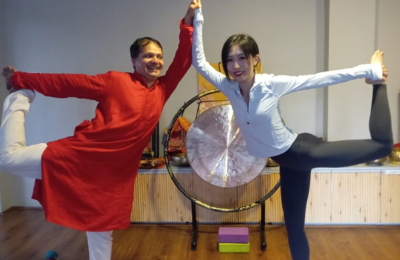
How Much Yoga Experience Do You Need for a 200-Hour YTT?
If you've ever looked through photos of yoga teacher training and wondered, "I'm not flexible enough for this," or "I've only recently started practising yoga—can I really join?" you're certainly not the only one. One of the questions yoga schools hear most often is: "Can beginners join a 200-hour yoga teacher training?" or "Do I need years of experience before I enroll?"
The reassuring answer is that many 200-hour yoga teacher training programs are specifically designed for committed beginners as well as students with some experience. What matters most is your willingness to learn, practise consistently, and approach the training with an open mind—not your ability to perform advanced postures
For many people, enrolling in a 200-hour yoga teacher training starts with the idea of becoming a certified yoga instructor but soon grows into a deeply personal journey. Students quickly discover that teaching yoga involves much more than demonstrating poses. It requires careful observation, effective communication, patience, self-awareness, and the ability to support people with different abilities, experiences, and backgrounds.
A residential yoga teacher training in Nepal offers the opportunity to step away from the distractions of everyday life and fully immerse yourself in learning. With a structured daily routine that combines practice, philosophy, meditation, and community living, students develop consistency, confidence, and a stronger understanding of yoga. This supportive environment allows beginners to build both practical teaching skills and a solid personal practice, making the experience as transformative as it is educational.
| Why Nepal Is an Ideal Place for Yoga Teacher Package? |
What to Look for in a quality yoga teacher training
We support beginners
Tips for beginners before you enroll with healthy, safety and ethical teaching.
Wider yoga path continuing your yoga journey after graduation.
Beyond certification the real purpose of yoga.
What Beginners Really Learn in a 200-Hour Yoga Teacher Training
One of the biggest advantages of joining a yoga teacher training as a beginner is having an open mind. Without years of established habits, you're often more receptive to learning new techniques, correcting alignment, and understanding yoga from its foundations. Beginners tend to ask thoughtful questions, embrace feedback more easily, and experience each lesson with genuine curiosity—qualities that can later make them compassionate and effective teachers.
A 200-hour yoga teacher training is not designed to create perfect yogis. Instead, it provides the knowledge, discipline, and practical experience needed to build a consistent personal practice while developing the confidence to guide others responsibly.
During the course, students gradually explore every essential aspect of yoga, including:
-
Asana and alignment: Learning how to practise postures safely, understand proper body mechanics, and adapt poses for different abilities.
-
Pranayama and meditation: Developing breath awareness, mindfulness, and techniques that improve focus and emotional balance.
-
Yoga philosophy and ethics: Studying the traditional principles of yoga and understanding how they apply to modern life and teaching.
-
Anatomy and physiology: Gaining a practical understanding of how the body moves, functions, and responds to yoga practice.
-
Teaching methodology: Learning how to design balanced classes, give clear verbal instructions, observe students, and create a safe, supportive learning environment.
These subjects are the purpose of the training—not requirements for joining it. Whether you've been practising yoga for several years or only a few months, the course is designed to help you build these skills step by step through guided practice, observation, and constructive feedback.
Why Nepal Is an Ideal Place for Yoga Teacher Training
Nepal has long been recognized as a destination for spiritual practice, meditation, and self-discovery. Nestled in the shadow of the Himalayas, the country offers a peaceful setting where students can step away from the distractions of everyday life and focus on learning. For many participants, this supportive environment makes it easier to build a consistent yoga practice while developing greater self-awareness.
The Kathmandu Valley blends ancient traditions with modern convenience. Sacred temples, Buddhist monasteries, vibrant local communities, and nearby natural landscapes create an inspiring atmosphere for study and reflection. At the same time, international students benefit from reliable transport, healthcare facilities, communication services, and accommodation, making an extended stay both comfortable and practical.
Choosing the right yoga teacher training is just as important as choosing the destination. Before enrolling, prospective students should carefully review the course curriculum, daily schedule, attendance requirements, teaching methodology, instructor qualifications, accommodation, meals, tuition fees, certification, and school policies. A reputable yoga school provides clear and transparent information so students know exactly what to expect before they arrive.
This combination of authentic yogic culture, a supportive learning environment, and well-structured training makes Nepal one of the most rewarding places for beginners to begin their yoga teacher training journey.
Health, Balance, and Well-Being During Yoga Teacher Training
A rewarding yoga teacher training is measured by the quality of learning—not by how physically demanding the schedule feels. While an intensive program helps students immerse themselves in yoga, long hours alone do not guarantee a better education. The best courses create a healthy balance between yoga practice, lectures, meditation, self-study, meals, rest, and time for reflection, allowing students to absorb what they learn without feeling overwhelmed.
Every student arrives with different levels of experience, flexibility, and physical ability. A responsible yoga teacher training encourages modifications when needed and creates a supportive environment where students feel comfortable discussing injuries, health conditions, or personal challenges. Progress should never be measured by achieving advanced postures but by developing greater awareness, confidence, and understanding of the practice.
Personal well-being is an essential part of the learning process. Adequate sleep, proper hydration, nutritious meals, recovery, and emotional balance all contribute to better focus and long-term progress. Residential yoga teacher training programs make it easier to establish these healthy habits through a consistent daily routine and a supportive community.
Students can further enhance their experience by listening to their bodies, practising at a sustainable pace, keeping a journal of their observations, and setting aside quiet time for reflection. Rather than filling every free moment with sightseeing or online distractions, giving yourself space to rest and integrate your learning often leads to a deeper and more meaningful training experience.
Wellness, Safety, and Ethical Practice
The peaceful Himalayan setting offers an inspiring environment for yoga teacher training, but a successful learning experience also depends on practical preparation. Students should be ready for changing weather, travel fatigue, new foods, and the demands of an intensive daily schedule. A well-organized residential program helps ease these challenges by providing comfortable accommodation, nutritious meals, clear daily timetables, and ongoing support throughout the course. When these essentials are taken care of, students can focus fully on their practice and learning.
Equally important is the ethical foundation of yoga education. While yoga can promote physical and mental well-being, it should never be presented as a cure for medical or psychological conditions. Responsible yoga teacher training programs teach students to recognize the limits of their role, communicate with care, and refer individuals to qualified healthcare professionals whenever appropriate.
Learning to teach with honesty, compassion, and respect is just as important as mastering postures or teaching techniques. By following ethical principles and prioritizing student safety, future yoga teachers build trust, create inclusive learning environments, and uphold the integrity of the yoga tradition.
The Deeper Purpose of a 200-Hour Yoga Teacher Training
Many beginners assume that a 200-hour yoga teacher training is only about learning how to teach yoga classes. However, the true purpose goes much deeper. The journey is about developing a stronger connection with the practice, expanding self-awareness, and gaining the knowledge and confidence needed to share yoga with others in a meaningful way.
A quality training program helps students build a strong foundation in yoga through practice, philosophy, teaching skills, and personal reflection. It does not aim to create “perfect” practitioners. Instead, it focuses on nurturing responsible, compassionate, and confident teachers who understand how to guide students safely while respecting individual needs and abilities.
We offer the 200-hour yoga teacher training designed to support students step by step as they develop their personal practice and teaching abilities. The training is primarily conducted in English, with traditional yogic terms and teachings introduced through Sanskrit and Hindi.
ॐ आप्यायन्तु ममाङ्गानि वाक् प्राणश्चक्षुः श्रोत्रमथो बलमिन्द्रियाणि च सर्वाणि ।
सर्वं ब्रह्मौपनिषदम् ।
माहं ब्रह्म निराकुर्यां मा मा ब्रह्म निराकरोत् ।
अनिराकरणमस्त्वनिराकरणं मेऽस्तु ।
तदात्मनि निरते य उपनिषत्सु धर्मास्ते मयि सन्तु ते मयि सन्तु ॥
ॐ शान्तिः शान्तिः शान्तिः ॥
"Om. May my limbs, speech, life force, eyes, ears, strength, and all my senses be nourished and strengthened. May everything I study be rooted in the knowledge of Brahman. May I never deny Brahman, and may Brahman never deny me. May all the virtues spoken of in the Upanishads abide in me, who is devoted to the Self. Om. Peace, Peace, Peace."